

You smashed leg day, and two days later you can barely get down the stairs. Sound familiar? Muscle soreness after a workout is part of strength training, especially when you're just starting out, switching to a new program or coming back to the gym after a break.
In this article you'll learn what muscle soreness actually is, why you only feel it later, how long it lasts and what does and doesn't help. You'll also get an answer to the question everyone asks: can you train with sore muscles?
What is muscle soreness after a workout?
The stiff, tender muscles you feel a day or two after a hard session are called delayed onset muscle soreness, or DOMS for short. It's different from the burning feeling during your last reps: that fades again within a short time.
DOMS is caused by small amounts of damage in the muscle after a load your body isn't used to. Your body repairs that damage and adapts, so the same workout causes much less soreness next time. The exact mechanism isn't fully understood yet, but the lactic acid theory has largely been abandoned. Lactate is cleared from your muscles soon after your workout.
Why do you get sore muscles?
Soreness mostly shows up in a few recognisable situations.
The eccentric part of the movement
When you lower a weight under control, your muscle lengthens while producing force. This eccentric part, like the lowering phase of a Romanian deadlift or squat, is known as the biggest cause of muscle soreness.
New exercises or a new program
An exercise you've never done, a different angle or a new training program loads your muscles in an unfamiliar way. That's why a simple variation can cause serious soreness, even if you've been training for years.
More volume or intensity than you're used to
Suddenly doing a lot more sets, training to failure or adding intensity techniques like drop sets increases the chance of soreness. The same goes for coming back after a holiday or a few weeks without training.
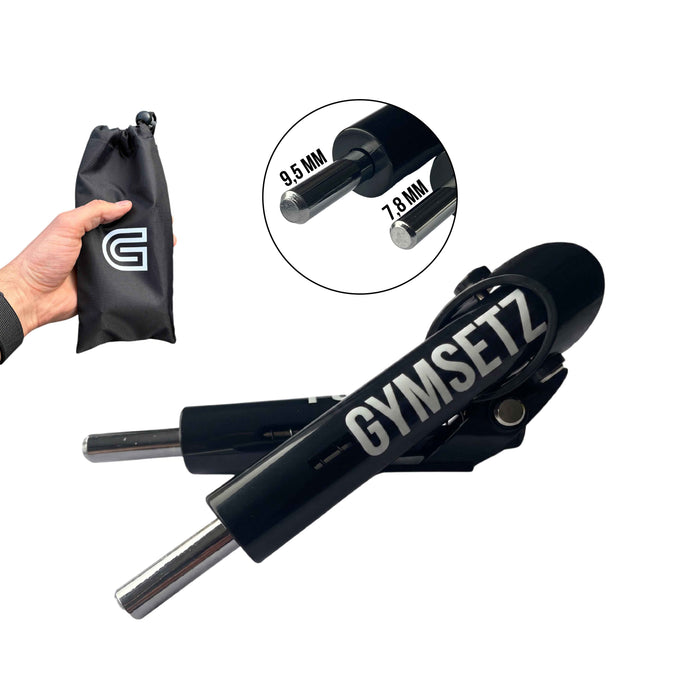
GYM ESSENTIALS SET
€49,00
Everything you need for heavy training, in one set. With the Gym Essentials Set you get the three Gymsetz favourites together and pay €49 instead of...
View productHow long do sore muscles last?
Delayed onset muscle soreness usually doesn't start right after your workout, but builds up over the following hours and days. After that it gradually fades.
Still just as sore after a week, or is it getting worse? Then there's probably more going on than normal muscle soreness.
Is muscle soreness a sign of a good workout?
Not necessarily. Soreness mainly shows that your muscles did something new or unusual. After doing the same workout a few times, the soreness drops off a lot, while your muscles can still keep growing. This is called the repeated bout effect: your body protects itself against a load it already knows.
So soreness isn't a good measure of muscle growth. A better indicator is whether you get stronger over weeks and months and hit more weight or reps. Read more about that in our article on progressive overload.
6 ways to reduce muscle soreness
You can't always prevent soreness completely, and you don't need to. With this approach you'll keep it under control.
Ease into new exercises
Start a new exercise with fewer sets and a lighter weight. After a few sessions your body is used to it and you can go heavier.
Increase your volume gradually
Add a few sets per week instead of doubling your volume all at once. That way your recovery can keep up.
Do a proper warm-up
A warm-up with light ramp-up sets prepares your muscles and joints for the heavy work. Our guide to warming up for strength training shows you how.
Move lightly on your rest day
Light active recovery, like walking or easy cycling, feels better than sitting still for a lot of people. Massage can also ease the pain temporarily. Don't expect miracles: it softens the symptoms, but it won't suddenly make your muscles fully recovered.
Sleep well and eat enough
Sleep and nutrition are the foundation of your recovery. Read more about sleep and muscle growth and nutrition for building muscle.
Plan heavy intensity techniques smartly
Drop sets and sets to failure are effective, but they also add extra fatigue. Use them mainly on the last set of an exercise, not on every exercise at once.
Tip
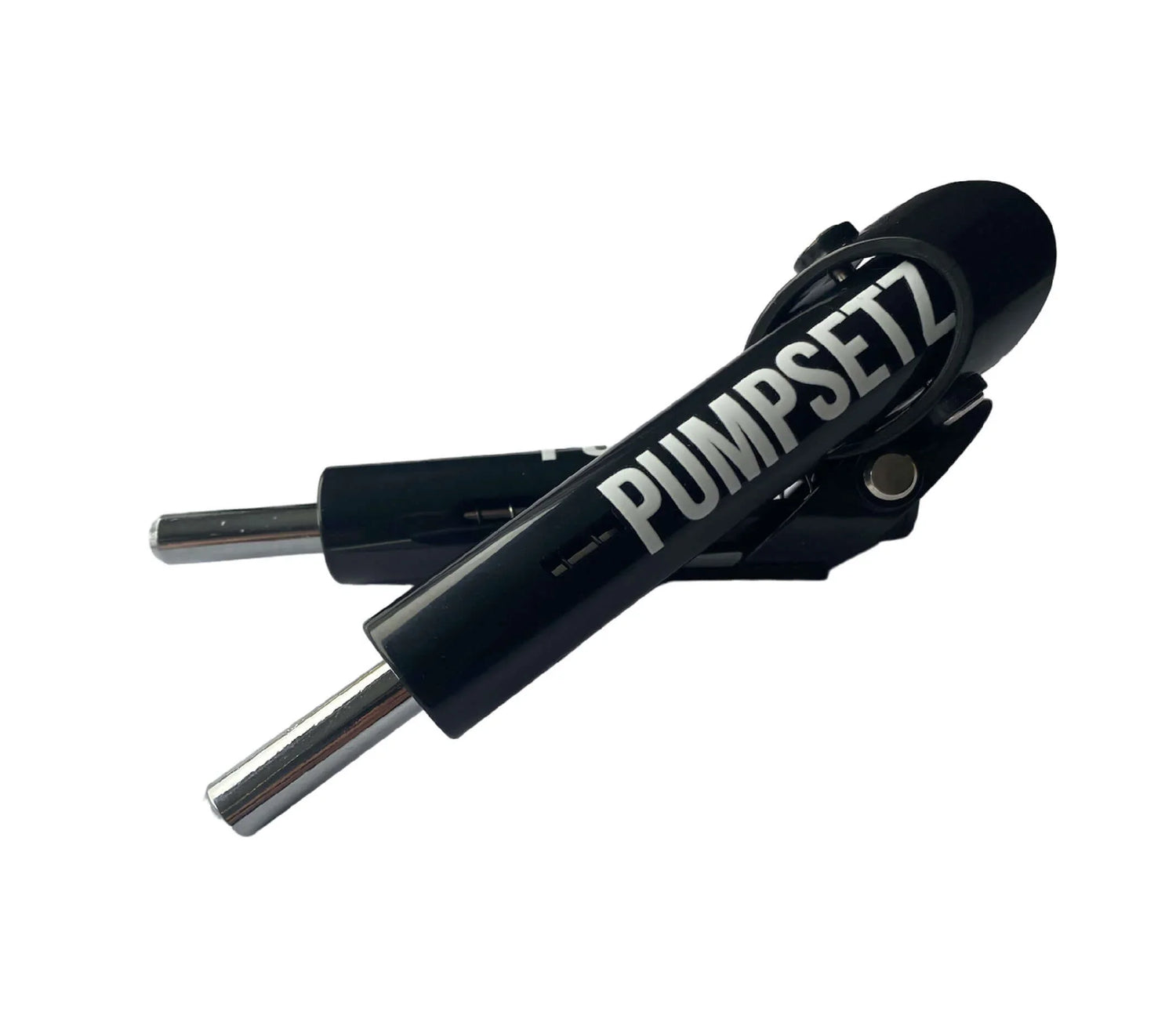
Want to add drop sets on machines? Start with one drop set per workout on an isolation exercise and see how your muscles respond over the next few days. With dropset pins you switch weights fast, so you don't lose time between drops.
Can you train with sore muscles?
Usually, yes. Mild soreness is no reason to skip your workout. Do pay attention to how it feels and adjust your training accordingly.
| How does it feel? | What can you do? |
|---|---|
| Mild stiffness, you move fairly normally | Just train according to your program |
| Serious soreness in the muscle group that's on the schedule | Train a different muscle group or do a lighter session with fewer sets |
| So sore that your technique suffers | Rest or choose light active recovery like walking |
| Sharp, localised pain or swelling | Stop training and get it checked by a doctor or physiotherapist |
A good program takes this into account, for example by rotating muscle groups. Noticing you've been tired and stiff for weeks? Then a deload week can help.
Muscle soreness or injury: how to tell the difference
Normal soreness feels dull and stiff, is spread across the muscle you trained and gets better every day. Contact a doctor or physiotherapist if you notice any of these signs:
- sharp or stabbing pain, especially if it came on suddenly during training
- pain in or around a joint rather than in the muscle
- swelling, bruising or a clear loss of strength
- pain that doesn't ease after a week or gets worse
- extremely painful, swollen muscles combined with dark urine: seek medical help right away
Frequently asked questions about sore muscles after a workout
How long do sore muscles last after a workout?
You usually feel it after 12 to 24 hours, with a peak around 48 hours. Normal soreness lasts about 24 to 72 hours and then gradually fades.
Is muscle soreness caused by lactic acid?
No. Lactate is cleared shortly after your workout. Delayed onset muscle soreness is linked to small amounts of damage in the muscle and the repair process.
Do you grow less if you don't get sore?
No. Soreness decreases as your body adapts to a workout, while your muscles can keep growing. Look at your progress in weight and reps instead.
Does stretching help with sore muscles?
Research shows that stretching has little effect on soreness. Light movement and massage feel better for many people, although that effect is limited too.
Summary
Sore muscles after a workout are a normal response to a new or heavier load. Soreness usually peaks after a day or two and is gone within a few days. It's not a measure of muscle growth. Ease into new exercises and volume, recover well and adjust your training if you're very sore. Want to build your workouts smarter? Check out the Gym Essentials Set or discover more in the Fitness Hub.
Read next
View
Warm-up for strength training: how to prepare for heavy sets
How do you warm up properly for strength training? Learn how to warm up...
View
Training to failure: how close to failure should you train for muscle growth?
Should you take every set to failure? Learn what research says, what RIR means...
View
Rest between sets: how long to rest for muscle growth and strength
How long should you rest between sets? Find the ideal rest time for muscle...
Ready to train stronger?
Discover all guides, programs and tools in the Fitness Hub.